


What are the Indigenous origins of Ayahuasca and how does a ceremony work?
It is important to respect Indigenous peoples, who have used plant medicine for centuries. They are cultural bearers of the healing qualities. Ayahuasca, which is a medicinal plant, should not be taken recreationally or without supervision from a trained healer. The plants are native to the Amazon Basin and several countries, such as Peru, Colombia and Brazil, have legalized and rooted the plant in their culture. Ayahuasca is also openly celebrated in Costa Rica and Mexico.
According to the Multidisciplinary Association for Psychedelic Studies (MAPS), psychoactive properties are most commonly derived from Banisteriopsis caapi, a vine containing monoamine oxidase inhibitors (MAOIs), and the leaves of Psychotria viridis, or other plants containing N,N-dimethyltryptamine (DMT). The DMT in ayahuasca is believed to activate the DMT in the pineal gland of a person, which is often referred to as the third eye by Indigenous healers and the spiritual community. The brewed ayahuasca is believed to trigger vision quests, which are then followed by a deeper connection to one’s true self. According to the healers from Sacha Wasi ayahuasca center in Ecuador’s Amazon, “Ayahuasca has a special place in our tradition as a plant spirit and sacred teacher.” We see it as a means of self-discovery, reflection and personal growth.
Ayahuasca retreats are multi-day or one-night experiences. Participants must abstain for several weeks from alcohol, sex and heavy foods. Silvia Polivoy founded the Spirit Vine Ayahuasca Retreat Center in Bahia Brazil. She believes ayahuasca to be a sentient spirit or teacher plant.
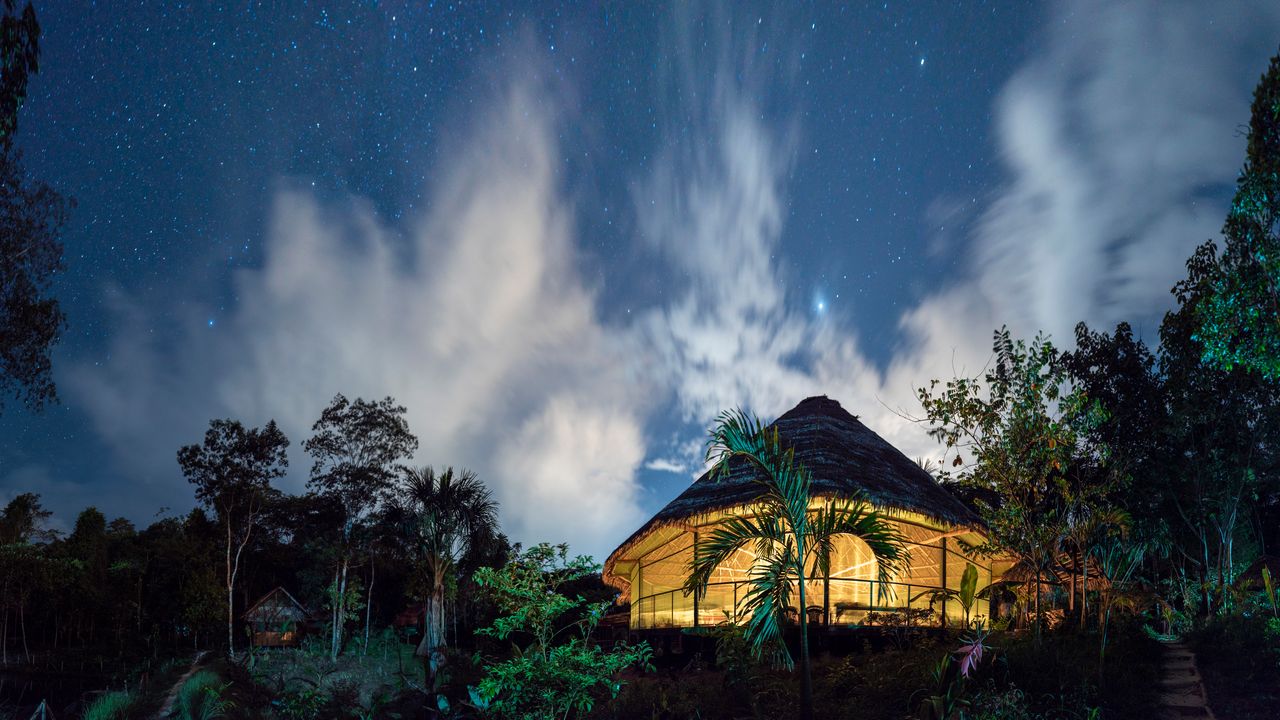
Most ceremonies last five to six-hours and are held inside a maloca. This is a wooden ceremony structure with thatched roof. The ceremonies begin around sunset and end before dawn the following day. A ceremony, in my experience, usually involves fewer than twenty participants, and starts with a cleansing ritual using tobacco snuff. rapéIf you want to know more about a specific topic, please click on the link. MapachoWild tobacco is native to the Amazon Basin. Most participants experience a purging response after consuming the medicinal tea. This could include vomiting, or even a bowel motion. Participants drink three cups—each about the size of an espresso shot—throughout the night. Shamans, healing elders and chanting are usually used by them. icaros Traditional (prayers), as described by the team at Sacha Wasi, are a great way to promote calmness and tranquility. icaros“, drums, sound elements, and guide the process.” Many rituals allow participants to express themselves as needed, including crying, screaming and purging.
