


Gastronomy can be defined as the art and science of selecting, cooking, serving, and eating fine food. For the modern definition, I added “that satisfies the senses” at the end. The word gastronomy is derived from Ancient Greek words.
- γαστήρ (gastēr) meaning stomach or belly, and
- νόμος (nomos) meaning law, rule, or custom.
So, gastronomy (γαστρονομία in Greek) literally translates to “the law or art of the stomach” — in essence, the knowledge or study of food, cooking, and the relationship between culture and cuisine. Gastronomy includes more than cooking. It also encompasses the history, aesthetics and science of food.
The Brundtland report of 1987 by the World Commission on Environment and Development is a widely accepted definition for sustainability:
“Sustainable growth is development that meets current needs without compromising the future generations ability to meet those needs.” “Our Common Future” (WCED, 1987)
Advertisements

Sustainability in gastronomy is a powerful tool to promote environmental responsibility, support local communities and encourage ethical food practices. In an era when chefs, restaurateurs/hoteliers, and food lovers alike are adopting eco-friendly methods, these industries can play a vital role in addressing challenges like climate change, insecurity of food, and biodiversity.
Gastronomy sustainability involves making conscious choices and decisions at every stage of the production and food supply chain and service process, from sourcing ingredients to food preparation, and waste management, to ensure that practices are both environmentally and socially responsible.
We need to consider sustainable methods in agriculture, food production, cooking, and waste management because the future is uncertain. The United Nations estimates that the population of the planet will be 9.7 billion by 2050. To feed this large number, we will need to:
- More food at 50% more cost
- More freight transport by 40 %
We need to act now to ensure that we have enough food for people to eat. There are many ways to do so, therefor you can see below some of the actions that companies can take in order to solve the problem of food scarcity:
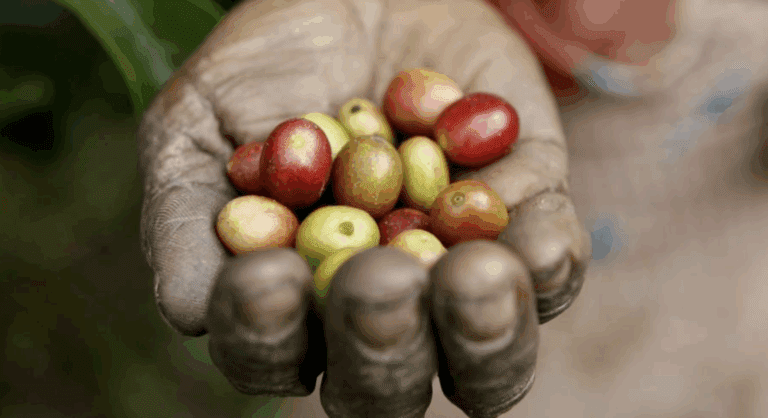
Local and Seasonal Sourcing By focusing on locally produced and seasonal foods, hotels and restaurants can reduce emissions from long-distance shipping and support local agriculture. Local produce is more delicious, fresher, and brings money to local communities. It also preserves genetic variation and helps build community bonds. Local communities need to establish partnerships with local producers in order to obtain fresh, organic materials and ingredients. Here is a great documentary about Local Food.
Food Waste Reduction: There are a number of ways you can reduce food waste. You can use practices such as portion control, waste cooking, ugly fruits and vegetables, sharing and donating, head-to-tail cooking, food donation, and sharing. A great documentary about food waste – Wasted! Food Waste – The Story It was curated and filmed by the late Antony Bourdain. HERE
Resource Waste Reduction: Utilizing energy conservation by creating low energy menus or even omophagia – the eating of raw food – menus, use of efficient appliances that use less electricity and installing led lighting. Water management practices such as using efficient dishwashers and collecting rainwater have a positive effect on the environment.
Sustainable and ethical sourcing: Ensure that ingredients and other resources are sourced ethically, taking into consideration animal welfare, environmental protection, and fair trade practices. It can include urban gardens and hydroponics. It is crucial to have traceability when purchasing fresh produce.
Plant-based and alternative proteins: It is debatable whether a plant-based meat should be called steak, but encouraging the use plant-based protein, 3D-printed proteins or lab-made meat can reduce the environmental impact of animal-based food. There are other proteins that do not have an impact on the environment, such as jellyfish and insects.
Customer Engagement and Education Create awareness campaigns and promotional materials through online media to educate guests and patrons about eco-friendly dining options and sustainable dining practices.
There is a huge movement towards sustainability in gastronomy, but despite growing awareness about sustainable practices, there are still many challenges. Lack of awareness and logistical challenges related to sustainable resources and ingredients can slow or stop efforts. Eco-friendly practices can be expensive and difficult to maintain.
The journey towards gastronomy’s sustainability is an on-going process that requires innovation, dedication, and collaboration between producers, distributors of food, culinary professionals, and consumers. The future of gastronomy is not just about flavors—it is about responsibility and accountability for the future. Restaurant kitchens will become powerful agents for change as chefs, consumers, and producers embrace sustainability. Every choice is important from farm to table. A new food culture that is both healthy for people and the environment can be created by honoring traditions, reducing waste and sourcing ethically. Our choices and our food are the first step to a brighter future.
There is an International Sustainable Gastronomy Day The 18th of June is a public holiday.Th 2025.